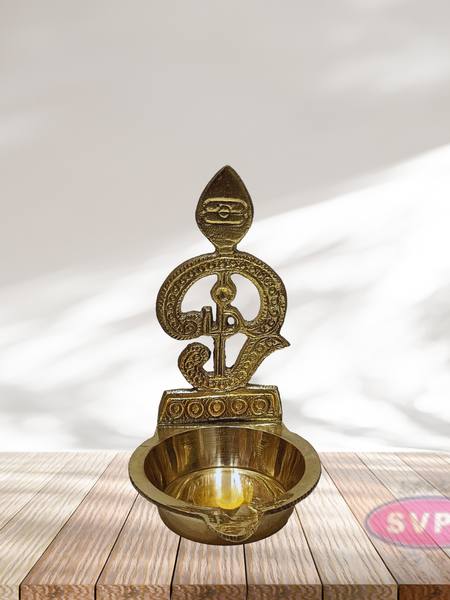
Celebrating Navartri - The festival Of Nine Divine Nights
Introduction to Navaratri
Navaratri (Navarati / Navarathri), one of the most vibrant and spiritually enriching festivals in Hindu culture, translates to "nine nights" in Sanskrit. Celebrated across India and by Hindu communities worldwide, it spans nine days and nights dedicated to honoring the goddess Durga and her various manifestations. Typically falling in September or October, according to the Hindu lunar calendar, Navaratri in 2025 begins on September 22nd and culminates on October 2nd with Vijayadashami. This festival is not just a time for devotion but also for cultural expression, community gatherings, and introspection. It symbolizes the triumph of good over evil, making it a beacon of hope and renewal for millions.

The History of Navaratri
The roots of Navaratri trace back to ancient Hindu scriptures like the Puranas and the Devi Mahatmya. The central myth revolves around Goddess Durga's epic battle against the buffalo demon Mahishasura, who terrorized the gods and humans alike. Unable to defeat him, the deities combined their powers to create Durga, a fierce warrior goddess armed with weapons from each god. Over nine days, she waged war, ultimately slaying the demon on the tenth day, which is celebrated as Dussehra or Vijayadashami.
Another legend ties Navaratri to Lord Rama's worship of Durga before his battle with Ravana in the Ramayana. Rama invoked the goddess for nine days to seek her blessings for victory. These stories underscore themes of divine intervention, resilience, and the eternal struggle between dharma (righteousness) and adharma (unrighteousness). Historically, Navaratri has evolved from ancient harvest festivals, blending agrarian roots with spiritual narratives, and has been influenced by regional customs over centuries.
The Spiritual and Cultural Significance
Navaratri represents the worship of Shakti, the feminine energy that permeates the universe. Each of the nine days is dedicated to a different form of the goddess: Shailaputri, Brahmacharini, Chandraghanta, Kushmanda, Skandamata, Katyayani, Kalaratri, Mahagauri, and Siddhidatri. These avatars symbolize various aspects of life, from creation and nurturing to destruction and wisdom.

Spiritually, the festival encourages self-discipline through fasting, meditation, and prayer, helping devotees purify their minds and bodies. Culturally, Navaratri fosters unity and joy, breaking social barriers as people from all walks of life participate in dances like Garba in Gujarat or Durga Puja pandals in Bengal. In a broader sense, it empowers women, highlighting the goddess as a source of strength and independence, which resonates in modern discussions on gender equality.
Celebrations Across India
In Gujarat and Rajasthan, nights come alive with Garba and Dandiya Raas (folk dances) performed in circles around a lamp or idol, accompanied by rhythmic claps and sticks. Participants wear colorful attire, with women in chaniya cholis and men in kurtas, creating a spectacle of lights and music.
In West Bengal, it's synonymous with Durga Puja, where elaborate pandals (temporary structures) house massive idols of Durga. The festival peaks with immersion ceremonies on Dashami. Southern states like Tamil Nadu and Karnataka celebrate with Golu or Bommai Kolu, displaying dolls and figurines depicting mythological scenes on tiered platforms. 
In the North, particularly Uttar Pradesh, Ram Leela performances reenact the Ramayana, leading to the burning of Ravana's effigies on Dussehra. These regional flavors highlight how Navaratri adapts to local traditions while maintaining its unifying essence.
Rituals and Customs
Key rituals include daily puja (worship) with offerings of flowers, fruits, and sweets to the goddess. Many observe fasts, consuming only fruits, milk, or specific grains. The eighth and ninth days, Ashtami and Navami, involve Kanya Puja, where young girls are revered as embodiments of the goddess and fed prasad.
Customs also extend to community events, where temples host devotional songs and discourses. In some households, a sacred pot (ghata/ kalash) is installed, symbolizing the goddess's presence. The festival promotes eco-friendly practices today, with clay idols and natural decorations gaining popularity to reduce environmental impact.
Conclusion: Embracing the Spirit of Navaratri
Navaratri is more than a festival; it's a profound journey of devotion, celebration, and self-discovery. In a fast-paced world, it reminds us to honor inner strength, combat personal demons, and celebrate life's vibrancy. Whether through dance, prayer, or reflection, Navaratri unites people in joy and reverence. As we approach this auspicious time, let's embrace its teachings of empowerment and harmony, carrying its light into our daily lives.