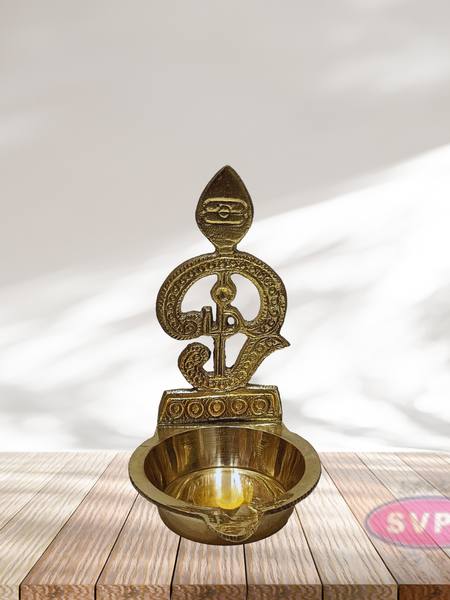
Vidyarambham - The Auspicious Beginning of Knowledge
Vidyarambham: The Auspicious Beginning of Knowledge
Vidyarambham, also known as Aksharabhyasam or Ezhuthiniruthu, is a cherished Hindu ritual that symbolizes the initiation of a child's journey into the world of learning. Celebrated predominantly in South India, particularly in Kerala, Tamil Nadu, and Karnataka, this ceremony holds deep cultural and spiritual roots. It occurs on Vijayadashami (Dussehra), the tenth day of the Navratri / Navaratri festival, which marks the victory of good over evil. On this day, parents introduce their young ones to the alphabet, invoking the blessings of Goddess Saraswati, the deity of knowledge, arts, and wisdom.
The Significance of Vidyarambham
Vidyarambham represents the sacred commencement of education. The term "Vidyarambham" is derived from Sanskrit, where "Vidya" means knowledge and "Arambham" means beginning. This ritual underscores the Hindu belief that learning is a divine pursuit, essential for personal growth and societal progress. By tracing the first letters often "Hari Shree" or the alphabet in the native language on rice grains or sand, the child is metaphorically planting the seeds of wisdom.

Writing on rice signifies abundance and prosperity in knowledge, while the act of holding the child's hand by a guru or elder guidance and mentorship. It also aligns with the worship of Saraswati, reminding participants that true education encompasses not just academics but also moral and ethical values.
Why Do We Celebrate Vidyarambham?
Vidyarambham is celebrated to ensure that a child's educational journey begins on an auspicious note, fostering a lifelong love for learning. In Hindu tradition, education is one of the key samskaras (rites of passage), and starting it during Vijayadashami leverages the positive energies of the festival.

Celebrating Vidyarambham encourages cultural values early on, teaching children respect for teachers and books. It also strengthens family bonds and community ties, as the event often becomes a collective celebration. In today's fast-paced society, it acts as a counterbalance to screen-based learning, promoting hands-on, ritualistic engagement. Parents believe that invoking divine blessings at this stage protects the child from obstacles in studies and enhances their cognitive abilities, making it a blend of spirituality and practicality.
Where Does Vidyarambham Take Place?
Vidyarambham traditionally begins in sacred spaces that resonate with learning and devotion. In Kerala, massive celebrations occur at temples dedicated to Saraswati, such as the Panachikkadu Saraswati Temple or the Dakshina Mookambika Temple in North Paravur. In Tamil Nadu Koothanur, near Mayiladuthurai (Nagapattinam district) is the most famous and only temple in Tamil Nadu dedicated to Goddess, Saraswati. These venues attract thousands of families annually, turning the event into a vibrant festival with chants, music, and offerings.

Beyond temples, the ritual can start at home, where a small altar is set up with books, slates, and images of deities. Educational institutions, cultural centers, and even libraries in South Indian states host group ceremonies. In recent years, with globalization, Vidyarambham has spread to diaspora communities worldwide, adapting to local settings like community halls in the US or UK. The choice of location emphasizes sanctity and inspiration, ensuring the child's first steps in education are in an environment conducive to focus and reverence.
At What Age Do Children Participate?
Children typically participate in Vidyarambham between the ages of two and five years old, with three being the most common. This age is chosen because it aligns with developmental milestones when toddlers begin recognizing shapes, sounds, and basic symbols. In Hindu astrology, the ceremony is often timed based on the child's horoscope to maximize auspiciousness, but practically, it's when the child can hold a pen or finger-trace letters without distress.

Starting early reflects the belief that imprinting knowledge young builds a strong foundation. However, flexibility exists; some families delay it until the child is ready for formal schooling around age five.
Who Participates in Vidyarambham?
Vidyarambham is a family-centric event involving multiple participants. The child is the central figure, guided by parents who hold their hand during the writing. A priest, guru, or learned elder often officiates, chanting mantras and bestowing blessings. Siblings, grandparents, and extended family members join to offer support and witness the milestone, turning it into a joyous gathering.

In larger temple settings, celebrities, educators, and community leaders may participate, inspiring the young initiates. Teachers from nearby schools sometimes volunteer, reinforcing the communal aspect.
Embracing the Legacy of Learning
Vidyarambham is more than a ritual; it's a celebration of human potential and the pursuit of enlightenment. By honoring this tradition, families preserve cultural heritage while preparing children for a knowledgeable future. Whether in a grand temple or a cozy home, it reminds us that education's true beginning is rooted in reverence and community. As we navigate modern challenges, Vidyarambham's timeless message endures: knowledge is the greatest victory.