Things To Do And Not Do During Navaratri
Things to do and not do during Navaratri: A Guide to Celebrating with Reverence
Navaratri (Navratri), the vibrant nine nights festival dedicated to Goddess Durga, is one of India’s most cherished celebrations. Observed with devotion, dance, and celebration, it marks the triumph of good over evil. This festival is steeped in spiritual, cultural, and social significance. If you are new to celebrate Navaratri, understanding the dos and don’ts of Navaratri can help you fully embrace its essence while respecting its traditions.

Things to Do During Navaratri
Fasting with Devotion
Fasting is a important thing of Navaratri for many devotees. It’s a way to purify the body and mind while expressing devotion to Goddess Durga (Durga maa/ Durga Mata/ Kanaka Durga/ Durga devi/ Mahishasura martini). We intake some sattvic foods like fruits, milk, nuts, and specific flours such as buckwheat (Kotu/ Kootu/ kuttu/ Kutti-no-Daro/ Titaphapur) or water chestnut (singhara/ Trapa/ Pani-phal). Some people to fast completely on the first and last days, consuming only water or light beverages (Dishes made from Rice and Wheat flour, Boiled Potatoes and Sweet potatoes). Fasting isn’t avoiding the food; it’s about cultivating discipline and spiritual focus. Plan your meals to maintain energy according to your health condition.
Participate in Rituals and Prayers
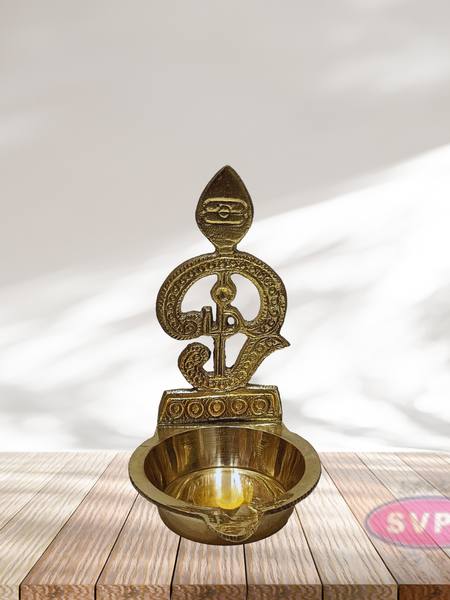
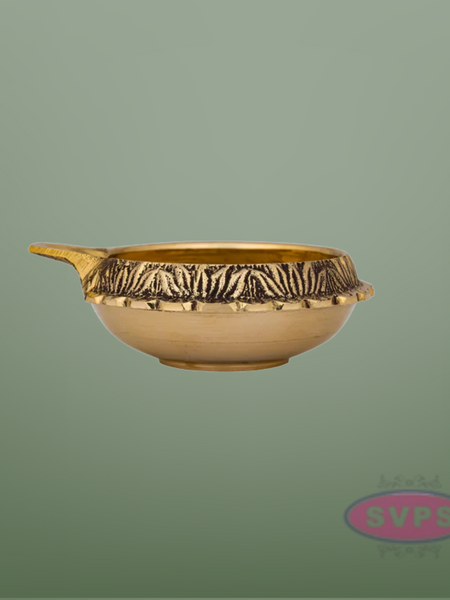
Navaratri is a time to connect with the divine. Attend or organize daily aarti and puja at home or in temples. Set up a small altar ( Statue/ Deity/ Vigraham/Idol) or image of Goddess Durga, adorned with flowers, incense ( agarbatti/ dhoop/ dhupbatti/ bakhoor/sambrani), and lamps (diya/ villaku/ deepam). Recite Durga Saptashati (Seven hundred verses of Durga) or other devotional hymns to invoke the goddess’s blessings. Visiting temples, especially those dedicated to the nine forms of Durga.

Join Garba and Dandiya Celebrations
Navaratri’s vibrant folk dances garba and dandiya are especially in Gujarat and among Indian communities worldwide. These dances are not just entertainment but a communal expression of devotion. Dress in colorful traditional attire like chaniya choli or kurta-pajama, and join the rhythmic clapping and circle under the stars. It’s a beautiful way to bond with others and celebrate the festival’s energy.
Practice Charity and Kindness
Navaratri emphasizes compassion and goodwill. Offer food, clothes, or donations to those in need, as acts of charity are considered highly auspicious during this time. Many communities organize free meals (langar) or distribute essentials to the underprivileged. Small gestures, like helping a neighbor or volunteering, align with the festival’s spirit of unity and positivity.
Things to Avoid During Navaratri
Avoid Non-Vegetarian Food and Alcohol
Navaratri is a time of purity, and consuming non-vegetarian food, eggs, or alcohol is strictly avoided by most devotees. These are considered tamasic (impure) and can disrupt the spiritual focus of the festival. Even if you’re not fasting, opt for vegetarian meals to honor the sanctity of the occasion. Similarly, avoid smoking or other intoxicants, as they contradict the festival’s emphasis on clarity and devotion.

Avoid Negative Thoughts and Actions
The essence of Navratri lies in overcoming negativity, as symbolized by Durga’s victory over the demon Mahishasura. Prevent from anger, gossip, or harmful behavior. Instead, focus on positivity, forgiveness, and self-reflection. This is a time to cleanse not just the body but also the mind, so avoid conflicts and cultivate peace in your interactions.
Don’t Disrespect Sacred Spaces
Whether attending temple rituals or performing puja at home, maintain respect for sacred spaces. Avoid wearing shoes in worship areas, and dress modestly to honor the sanctity of the occasion. If you’re invited to someone’s home for aarti, be mindful of their customs and traditions.
Embracing Navratri’s Spirit
Navaratri is a beautiful blend of devotion, culture, and community. By following these dos and don’ts, you can honor the festival’s traditions while creating lasting memories. Whether you’re perform garba beats, lighting a lamp for the goddess, or sharing a meal with loved ones, let Navratri be a time of joy, reflection, and connection. Celebrate with an open heart, and may the divine energy of Maa Durga guide you toward peace and prosperity.