Celebrating Saraswati And Ayudha Pooja - 2025
A Timeless Ritual of Wisdom and Gratitude
Navratri (Navaratri) fill the air with devotion, the ninth day of this sacred festival brings us to Saraswati Pooja and Ayudha Pooja a beautiful confluence of knowledge and labor. In 2025, these rituals align with the auspicious Maha Navami tithi, falling on Wednesday, October 1. This date, as per the Hindu lunar calendar in the month of Ashvin, marks a pivotal moment during the nine-night celebration of Goddess Durga. While Saraswati Pooja honors the goddess of learning and arts, Ayudha Pooja extends reverence to the tools that sustain our daily lives. Together, they remind us that true prosperity blooms from wisdom and diligent work.
The Divine Essence of Goddess Saraswati
Goddess Saraswati (Saraswathy devi), depicted as a serene figure seated on a white swan (Hamsa/ Hansa) with a veena (vina/bina/ beena) in hand, embodies knowledge, music, creativity, and eloquence. She is one of the Tridevi the divine feminine trinity alongside Lakshmi / Laxmi devi (wealth) and Parvati /Parvathi (power). In Hindu philosophy, Saraswati emerged from Lord Brahma's mind to bestow wisdom upon the universe, dispelling ignorance like the morning sun scatters darkness. Her symbols the swan (discernment), the veena (harmony), and the scriptures (learning) highlight the pursuit of truth through intellect and expression.

Saraswati Pooja, observed on Maha Navami, is especially cherished in South India, where it's intertwined with Vidyarambham the initiation of children into literacy. Elders guide tiny hands to trace their first letters on rice grains, invoking Saraswati's blessings for a lifetime of clarity and innovation. This ritual underscores her role as the patron of students, artists, and scholars, fostering a culture where learning is not mere acquisition but a sacred journey.

The Significance of Ayudha Pooja
Ayudha Pooja, meaning "worship of tools," honoring instruments of labor be it a farmer's plow, a mechanic's wrench, or a modern laptop. Rooted in ancient warrior traditions, it recalls the pre-battle rituals of the Mahabharata, where the Pandavas hid their weapons in a tree during exile and retrieved them on Vijayadashami, symbolizing victory through preparation. Today, it evolves into Vahana Pooja, where vehicles gleam under garlands, signifying gratitude for safe journeys.

The festival's deeper significance lies in recognizing work as worship. By venerating tools, we acknowledge their role in our karma our actions that shape destiny. It instills humility, reminding us that success stems from reverence, not dominance over our implements. In a fast-paced world, Ayudha Pooja pauses the hustle, urging us to clean, reflect, and realign with purpose.
Why We Celebrate Saraswati and Ayudha Pooja
This dual celebration during Navratri's crescendo celebrates the triumph of good over evil, as embodied by Durga's victory over Mahishasura. Saraswati Pooja seeks intellectual empowerment, vital for navigating life's complexities, while Ayudha Pooja honors the physical means to manifest dreams. Together, they balance the cerebral and corporeal, promoting holistic growth.

Historically, these rituals fostered community bonds in agrarian societies, where tools meant survival. Legends like Kalidasa's transformation from a dullard to a poet through Saraswati's grace illustrate her transformative power. In contemporary times, amid digital disruptions, they reaffirm that tools analog or AI must be approached with respect to yield true fruit. Celebrating them renews our commitment to ethical labor, ensuring prosperity aligns with dharma.
Ideal Time to Celebrate at Home
For home observance, align with the Muhurta on October 1, 2025. The prime window is the Abhijit Muhurta, from approximately 11:45 AM to 12:30 PM, a cosmic sweet spot for invoking divine energies. Alternatively, the afternoon or evening hours during Navami tithi (until sunset around 6:00 PM) are auspicious, allowing families to gather post-morning routines. Consult a local panchang for precise timings based on your location, as they vary slightly by longitude.
How to Celebrate: A Step-by-Step Guide
Begin the night before by cleaning your home and tools meticulously a symbolic purge of negativity. On the day:
1. Set Up the Altar: Create a pedestal with idols (Deity/ Statue) or images of Saraswati, Lakshmi, and Parvati. Adorn with mango leaves, banana stems, and rangoli. Arrange books, pens, musical instruments, and work tools neatly before them.
2. Bathe and Dress: Wear fresh, traditional attire sarees for women, dhotis for men to embody purity.
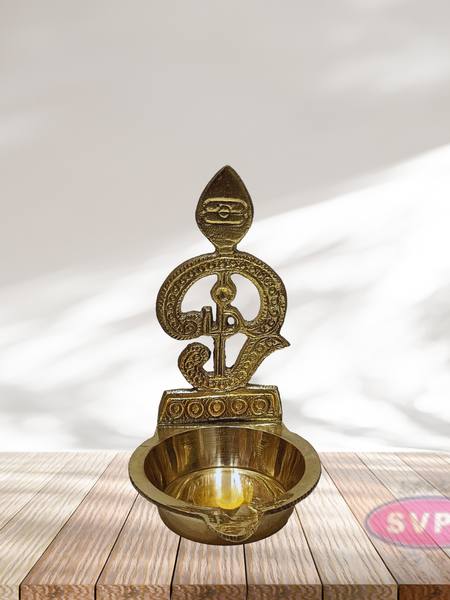
3. Perform the Pooja: Light a lamp/ diya with ghee, offer sandalwood paste, kumkum, turmeric / haldi, flowers, and fruits. Chant Saraswati Vandana ("Yaa Kundendu Tushara Hara Dhavala...") and sprinkle holy water on items. For Ayudha, anoint tools with vermilion / sindoor and garlands. Recite mantras like "Om Aim Saraswatyai Namah" 108 times using a mala.
4. Offer Prasad: Prepare simple sweets like payasam or modak. Distribute among family, avoiding use of worshipped items until Vijayadashami.
5. Conclude with Aarti: Sing devotional bhajans, fostering family bonding. Involve children in Vidyarambham for a touch of joy.

End the day in contemplation, perhaps journaling goals blessed by Saraswati. This ritual not only invites prosperity but cultivates mindfulness in every task.
As Navratri unfolds toward Vijayadashami on October 2, 2025, let Saraswati and Ayudha Pooja inspire you to wield knowledge and tools with grace. In their light, may your endeavors flourish eternally.